Patients with palpitations
What is ECG?
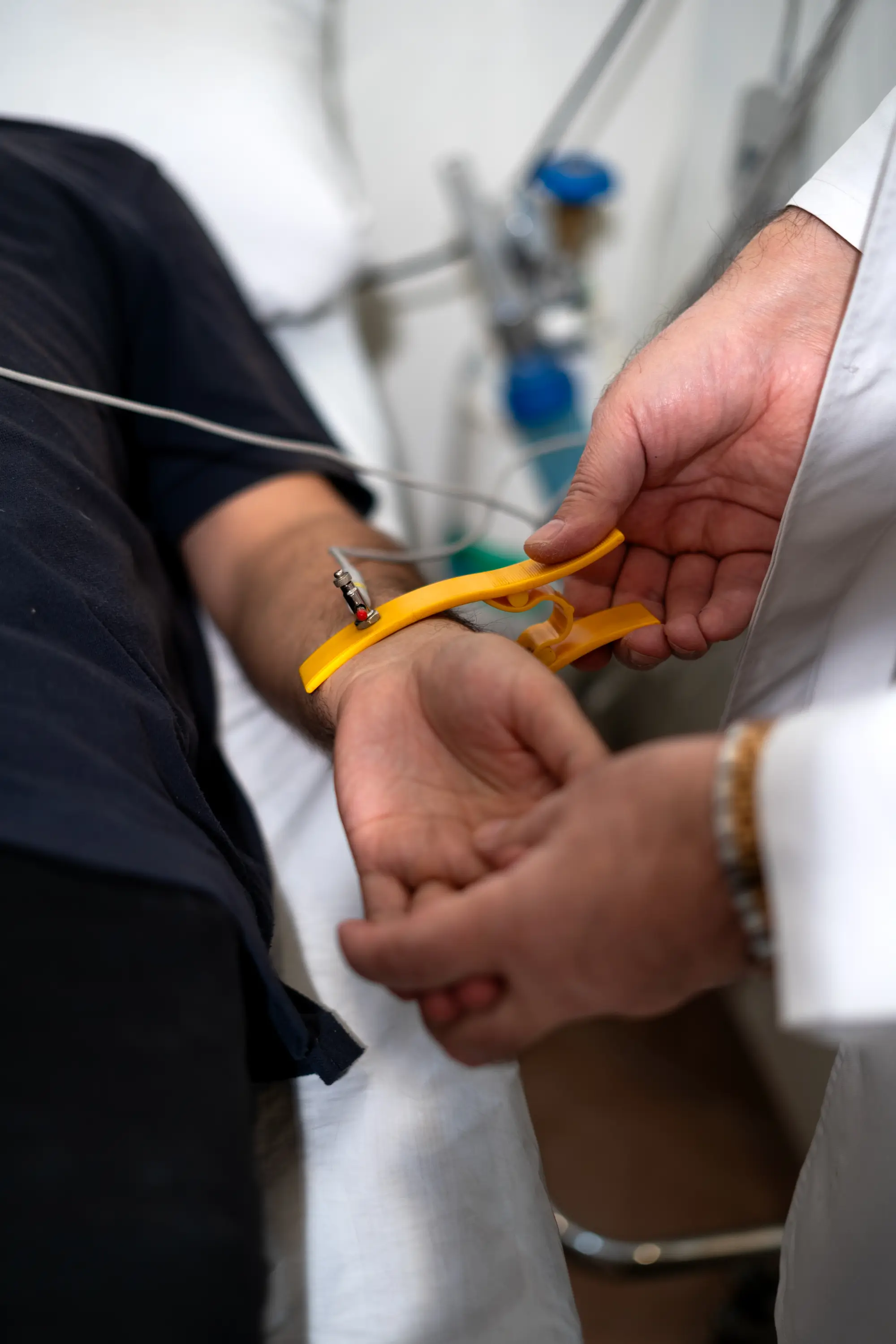
A 12-lead ECG to assess rhythm, electrical conduction and signs of cardiac ischemia.
Comprehensive assessment
Medication review
Document review
Follow-up plan
Who benefits from this service
This service applies to various symptoms, risk factors and follow-up needs.
chest pain
dizziness
or a need for periodic ECG follow-up.
What is reviewed during this service
A step-by-step assessment tailored to the patient.
Detailed history taking
Onset, severity, frequency and related factors are reviewed.
Medical history review
Past illnesses, admissions and factors affecting heart health are reviewed.
Medication review
Current medications, dosage and response to treatment are evaluated.
Previous tests and documents
ECG, echo, stress test and medical reports are reviewed.
Clinical examination
Blood pressure, pulse, heart sounds and breathing are examined.
Decision on the next step
Follow-up, medication adjustment, additional tests or referral are decided as needed.
The goal of this service is not only diagnosing a disease
The main goal is a comprehensive assessment and correct decision-making about heart health.
- Initial assessment of heart rhythm
- chest pain
- palpitations
- and follow-up of ECG changes.
Benefit for the patient: Rapid detection of rhythm disorders and assessment of cardiac ischemia.
What to bring for this service
Good preparation helps a more accurate assessment.
Documents and information
- Bring previous ECG tracings if available.
Important notes before the service
- No special preparation is needed. Wear comfortable clothing and rest for a few minutes before the test.
In case of severe chest pain, sudden shortness of breath, fainting or acute symptoms, immediate emergency care is necessary.
What may be recommended after the service
Tests are selected based on the patient clinical condition.
ECG
Echocardiography
Exercise stress test
Blood pressure Holter
Rhythm Holter
Additional blood tests
Common questions about specialized services
Should I have any tests done beforehand?
No. If you have previous tests or documents, bring them; otherwise the assessment starts at the visit.
How long does the visit take?
The duration varies depending on the patient condition, symptoms and available documents.
Are medications adjusted during this visit?
If needed, previous medications are reviewed and treatment may be started or adjusted.
If I already had an ECG or echo, should I bring it?
Yes. Previous documents help compare the current condition with the past.
Is this visit only for heart patients?
No. People without a definite diagnosis but with symptoms or risk factors can also visit.